Archive for Interviews
July 1, 2010 at 5:45 pm | Spongercity Interviews News
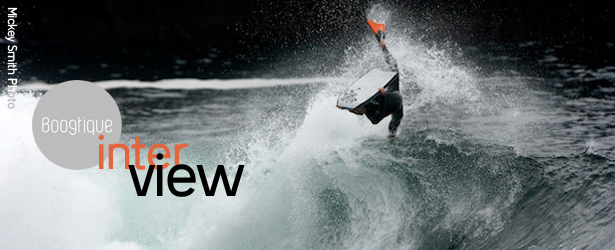
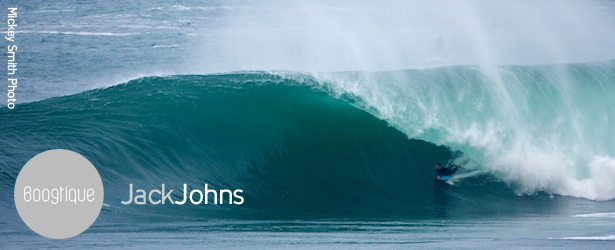
You probably heard about BOOGTIQUE, the new online shop that Fintan Gillespie and pro bodyboarder Jack Johns launched not too long ago. FIntan and Jack were kind enough to answer some of our questions on skype regarding their new store and the interview turned out being pretty funny:
(PS: keep reading toward the end of the interview for an exclusive Spongercity & Boogtique deal – 10% off !)
See Jack shred here on video and check his site here also.
Spongercity and Boogtique – The interview:
SC: Hey guys
Jack Johns: hello
SC: Can introduce yourselves ?
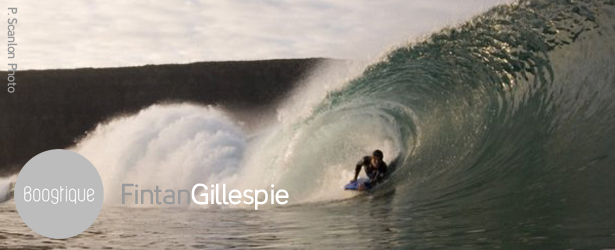
Fintan: Hey I’m Fintan Gillespie, bodyboarder from Ireland and co-owner of boogtique
Jack Johns: Hey, i’m Jack Johns, from Cornwall in the Uk and co own Boogtique with Fintan.
SC: So… first question… what motivated you guys to start a shop online ?
Fintan: you answer first Jack, i’ll add to it
Jack Johns: It started as an idea in Aus. I notice the all the kids there wore bodyboarding branded clothes and i was I was just fed up with seeing the local bodyboarders at home in the UK wearing brands that do not surport bodyboarding……
Fintan: Same boat here. My problem was in a lack of access to the bodyboarding brands i like
Jack Johns: so the idea began to start importing the clothes into Europe and make it more avalible….
Fintan: You had to either order from AUS or US to get em
SC: How did you guys met ?
Jack Johns: Well… fintan??? ha how did we meet?
Fintan: i presume in the water at Blackspot a popular bodyboarding wave in ireland, years ago, jack and Dan Skajarowski used to come over loads and have never stopped coming back
Jack Johns: Yeah, i used to travel to ireland alot when i was younger….. and seeing as back then Fintan and his brother tom were the only boogers there… we ended up chatting i guesss.
Fintan: Jack and Dan used ot stay up in Dub with us too and party like maniacs
Jack Johns: that led to me and dan skajarowski staying with fint. Dublin is a fun city when the waves are flat….
Fintan: Seeing Justice live in Dublin on my birthday was one of those nights
SC: Do you guys travel a lot ? Has the new shop changed things a bit ? You have to stay home and send orders now ?
Jack Johns: haha…. It changed abit i guess. I’ve still done alot of sneeky trips this winter…but i cant do the big trips like i used to…not unless i plan it well…
Fintan: I travel as much as i can, did loads after college but I have a full time job too. I’m currently in South Africa hoping to score some waves in cape town next week!
SC: Ok, so Jack is the shop your main job now ? Fintan what’s your job ?
Fintan: I work for Google
Jack Johns: I’ll say yes, Boogtique is my main job…. but i am a full time Lifeguard here in Cornwall where i live.
SC: Fintan you work for Google in Ireland ? or the UK ?
Fintan: I actually work on the South African team, it’s a balancing act haha
SC: Are you guys considering selling boards on your shop in the future ?
Fintan: hmmm we’d love to, it’s a decision that is out of our hands, but hopefully soon.
Jack Johns: Yeah… we would really love to and do plan to but at the momnet, we dont want to step on any ones toes, we’re are just testing the water and waiting for the right time to do it.
SC: Boogtique is the only 100% bodyboard store in the UK ?
Jack Johns: Yeah
Fintan: it’s the only store you can buy online from in the UK but we like to see ourselves as european, the site is available in 5 different languages although we still have some translations to do!
Jack Johns: Maybe you could help us Theo… haha
SC: How is the feedback so far ? Kids are stoked to be able to find bodyboard shirts and stuff i reckon ?
Fintan: Yeah for sure, they’re loving it, it’s great to see them buying bodyboard brands over QuikRipabong we also interact with them as much as possible on www.facebook.com/boogtique and www.twitter.com/boogtique
Jack Johns: To be honest i didnt think we’d be soo we’ll recieved. The kids here in the Uk seem to love it… which is really positive…
SC: I bet ! If there wasnt any real BB shop there before it’s really cool
Fintan: We’ve also shipping as far as the Carribean
SC: So Jack you live in Cornwall and Fintan you’re still in Ireland or you’re also in the UK now ?
Fintan: I’m currently based out of Ireland. But travel to UK and South Africa a good bit
Jack Johns: Yeah, I live in Cornwall, but Fintan lives in Dublin, but is currnetly working down in SA.. which is… hopefully spread the Boogtique word down there a bit…
SC: Who’s sending the orders everyday ? Jack ?
Jack Johns: Haha. yep, im the postage gimp!
Fintan: Yeah Jack’s the workhorse
Jack Johns: haha, but i take my time, every order is package with alot of love
Fintan: He also kinda looks like a horse, has the face of a horse anyway and the hobble of a horse
Jack Johns: oii ha see my skype picture…
Jack Johns: me with a donkey!
Fintan: Well you’re deffo of the horse variety
Jack Johns: thank you.
Fintan: I think a Mule is what we’re looking for when u cross a donkey with a horse
Jack Johns: lets move away from me being a horse.
Fintan: next question haha
SC: Next question: do we keep the mule/horse stuff in the final interview ?
Fintan: Whatever u think…..i think its funny
Jack Johns: hha. well‚ umm, what ever you feel Theo. The horse has no say anyway.
SC: Well, Jack you’ve got a horse pro model with NMD right ? and have quite a bit of an international profile now ?
Fintan: HAHAHAHA yeah jack
Jack Johns: ha
Fintan: screw the crow logo (Spongercity note: There’s a crow logo on Jack’s Pro Model from NMD). Get a Mule stamp next time.
SC: Spongercity: I think it looks good – the crow, not the mule
Fintan: You’ll increase sales 10 fold
SC: Spongercity: You should sell that board in the shop mate!
Jack Johns: Actually my orginal logo was a Horse (well a stalion) on its back legs. haha.
SC: Spongercity: no way
Jack Johns: But i quickly got rid of that.
Fintan: yeah, you’re deffo not as glam as a stallion on its hind legs far too Italian for you
Jack Johns: I had a few designs done of a horse head, or a horse shoe… ha‚Ķ next board maybe i’ll bring it back.
SC: Spongercity: cool. Did you work with Mez and Sivess on the board ?
Jack Johns: yeah… Mainly work with Sivess… he’s been making me boards for a few years now and there the best board i could imagine…every order they just get better and better…
SC: What kinda boards do you guys ride ? Water’s cold up there in the UK hey
Jack Johns: NMD- Jack “Horse” Johns… Dow with stringer.
Fintan: yeah all DOW and i think we’re both fans of narrow boards
Jack Johns: The water is icey, but the waves make upfor that.
Fintan: …and colder the water, the less crowded
SC: True. Any waves at the moment ?
Jack Johns: nope. Its been realy flat for a while now.
Fintan: Well it’s winter in Cape Town, so hopefully I’ll score like the boys did on that Nomad trip
Jack Johns: ha.. you wish fint.
SC: Do you reckon we’re good with the interview or have i forgotten details and stuff ?
Jack Johns: not really sure… it all seems sweet to me.
SC: Wanna do a discount for Spongercity readers?
Fintan: 10% or something? Ok, SPONGETIQUE. 10% off everything.
Jack Johns: code : SPONGETIQUE 10% off everything for you lucky Spongecity readers.
SC: Spongercity: ok cool !
Jack Johns: speak soon!
Fintan: Thanks for that, cheers.
June 17, 2010 at 10:14 pm | Spongercity International, Interviews News
A new interview! We haven’t released any interview for a while and eventually took the time to ask Ryan a few things, ask him for pictures and put together this Ryan Mattick interview.
Ryan is a busy man, a busy bodyboarder and his profile definitely needed a little more than just a couple pictures and a quick Q&A. We met Ryan quickly last January in Sydney and… well… we told Ryan we’d send him questions for an interview but it took us longer than we expected… Anyway, 6 months later, here’s Ryan, talking about bodyboarding, video making, wetsuits, business and more.
READ THE INTERVIEW HERE
June 17, 2010 at 5:52 pm | Spongercity Interviews News
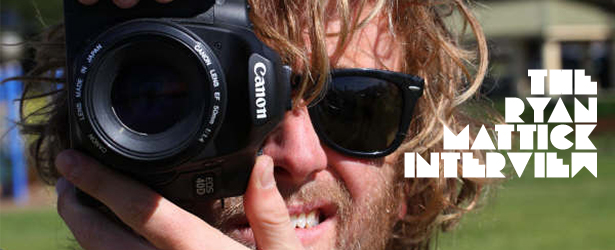
Ryan is a busy man, a busy bodyboarder and his profile definitely needed a little more than just a couple pictures and a quick Q&A. We met Ryan quickly last January in Sydney and… well… we told Ryan we’d send him questions for an interview but it took us longer than we expected… Anyway, 6 months later, here’s Ryan, talking about bodyboarding, video making, wetsuits, business and more.
RYAN MATTICK for Spongercity.com
Hey Ryan, howdy ? what have you been up to ?
Hey mate, sorry for the late reply. Yeah I’ve been super busy designing next years Zion range, trying to get this website out, doing some film work for the HB fellas and I recently just got married to my dream girl… busy times!
Can you introduce yourself ?
Ryan Mattick. 26. Thirroul, South coast of NSW.
One time semi-pro bodyboarder turned photog, turned videog, turned wanna-be designer and businessman.
How was the FEVER DREAM DVD premieres tour in Oz ?
It was a pretty sick experience. We had 8 premieres in 4 different states. For the most of it it was Kates, Jase Finlay, Corpse and myself getting wild, with famed Mc Koot, who if you haven’t seen is the best natural entertainer ever. All up we watched FeverDream so much, I never want to see it again!
You filmed and edited everything with James Kates. How do you guys share tasks ? Who films what ? Who’s editing ?
Regarding filming, I shot most of it. Kates is pretty creative behind the lens though, loves shooting animals, especially dogs, and can get a little carried away. He shot all the super 8 stuff, and some of the extra stuff is his dad’s from the 60’s which is pretty cool.
Regarding editing, Kates edited most of it, while I stood behind him with my knee to his back. Haha. Nah it was us two sitting in a room throwing around ideas and getting slightly crazy.
Do you sometimes have issues with James and the other guys because the waves are too good and no one wants to film ?
Nah I’m the filmer, when we got a project on, I’m the one geeing everything up, checking the charts everywhere and pushing the fellas, which then gets them pretty excited to perform. Once you get on a roll there’s no stopping till its done…
Where did you go for the movie ? (sessions, trips etc.)
We did a lot around the south coast. WA. VICO. SOUTH OZ x 3,and Tassie.
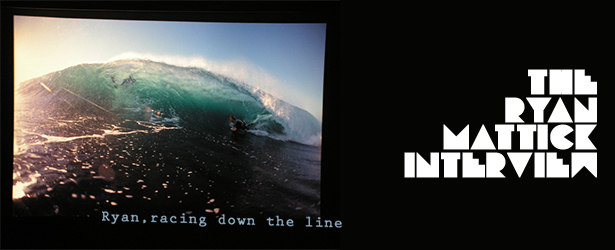
Do you reckon the movie is a motivation to push everyone further, do crazy shit in the water and travel around Oz and the rest of the world to score sick waves ?
Yeah for sure. Regarding the crazy, I hope it inspires people. I know how excited I get when I see new waves, or waves/surfing shot in a different way. It used to just pump me up so much, and I’d get this crazy urge to just go and do something. Giving that feeling to others would feel pretty cool…
Are DVDs still profitable or at least do you get your money back after everything is over and you’ve sold the copies to the shops ? Lots of videographers say they would love to keep on filming but it just doesnt pay the bills. What do you think ?
If the film’s promoted well and the filmer is distributing themselves, then yeah it’s possible to make a bit of profit, but it ain’t no cash cow that’s for sure. With FeverDream, we made a small profit after all the costs were accounted for. The only real profit is exposure for Zion. I would do it all for free to promote my label as photography, waves and Zion are my passions
Are you back home now ? What do you do when you’re not filming and surfing or taking care of your wetsuits brand ZION ?
Hanging out with my wife! Yeah I’m home, when I have the time I love to cook. Hanging out with mates. I have a group of mates who love curries, there’s a little curryhouse; two meat curries, rice, papadum, raita and coke for AU$8 bargain!
Can you tell us more about your brand ZION and how it all started and who works with you on this project ?
Zion was born ten years ago, but remained inside my head until 2 years ago. I just really wanted to make super quality rubber that anyone can love, and something that can do good things for the boog industry. Two years on and we have sourced some of the best materials in the world, have the freshest and strongest team, and have released two nearly sold out ranges.
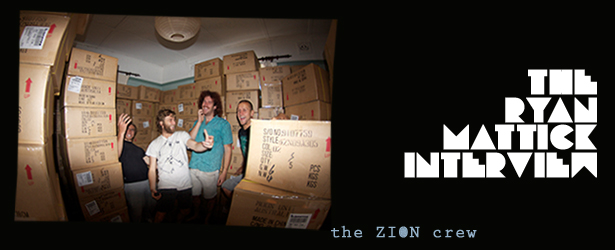
Zion is owned by myself and south coast booger Matt Young. I’m a meticulous basterd, and am head of marketing, design, sales, and team and international stuff, while Matt takes care of the distribution. All the team dudes are just as mucha part of Zion with there ideas and feedback, so the aussie team of Corpse, Jase, Kates, Joe, Backshall, Bennett, Griz and Kingy are all in.
There seems to be way more bodyboarding brands nowadays with 100% bbing clothes and wetsuits for example. How do you explain that ?
I guess this is due to bodyboarders doin their own thing ya know. Like a lot of boogers are starting their own labels. And they’re successful cos generally the brand and product is good and boogers are typically brand loyal and are supporting thisa, which is good to see.
What’s the typical Ryan Mattick day when you’re home ?
Business, coffee hang, business, ocean, business, wife hangs.
How do you share you time between surfing and taking care of the ZION business etc. ? Do you also work aside of that or do you only do ZION 100% of your time now ?
It’s not a very well known fact that I barely surf anymore. Like, I will go out every now and then, but Zion is something that I commited to without knowing just how much work was involved. My passion for riding waves was taken over by the passion to shoot photos, so if I’m in the ocean, most times I’ll be shooting and not sliding along on my gut.
Oh, and I’m also real bad on the boog too now haha, my moves suck!
What’s coming next ? Any other DVD project or anything new with ZION ?
Yeah, we are coming to Europe! Zion will be hitting Europe this year with a big range of 4/3’s and 3/2 steamers so I’m pretty pumped on that. We’re also doing a team vid project in Europe at the end of this year, so I’m super excited to see more of the world….
Do you know which countries in Europe you will visit ? PS: The Spongercity HQ being in SW France, we’ll pay the beers if you come down here.
SW france is on the itinerary, as is Ireland, Scotland, and a few secret lands. You keep those beers cold and we will be there!
Last words ?
I’d like to say a big thanks to my beautiful wife for letting me marry her, and putting up with all my chit. I’d like to also say Europe, prepare yourself for Zion, I’m preparing for one serious case of Euro rig!
Thanks Ryan!
Theo
Spongercity.com
April 7, 2010 at 5:51 pm | Spongercity Interviews News
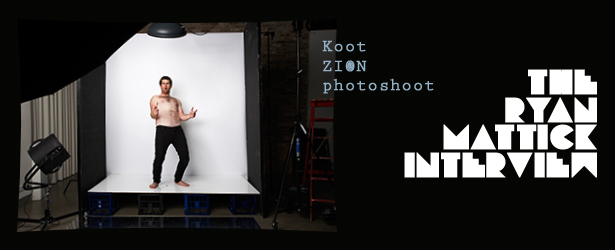
We wanted to learn more about the new Kinetic™ core from Mez and decided to ask the man himself Nick “Mez” Mesritz a few extra questions about the core. We’re pretty sure that everything you might have wanted to know about the core is in this quick interview we had today with Nick:
Spongercity: So it’s basically EPP but molded into a specific bodyboard core mold with better properties than simple EPP yeah ?
Mez: Firstly, EPP stands for Expanded Polypropylene, not Extruded PP. Expanded and Beaded PP are one in the same. Essentially, Kinetic Core is a proprietary EPP formulation moulded into a Bodyboard specific blank. JSP is the industry leader for EPP, and having created the stuff, naturally they produce the highest grades available.
Spongercity:How different is it from Beaded PP or from the EFC blanks that are also molded cores if i remember well.
Mez: I can’t comment too much on EFC, as I’ve not worked with it, but talking with a couple of shapers that have, they indicated that it was a lower density EPP. Which would make sense, as its touted for use in cool water temps or riders after a more flexible board. As I said before, EPP is Beaded PP, so I can’t say its different. What I do know is that the material we are using for Kinetic Core is the best EPP we can get our hands on.
Spongercity: Is the core available as blanks and then employees at your factory or shapers like you and Dan for example add stringer(s) and/or mesh ?
Mez: Yes, Kinetic Core comes in a blank form and we shape it to suit, adding stringers and/ or mesh if the customer requires it.
Spongercity: Is the Kinetic core similar to the classic EPP you used in term of buoyancy, stiffness and weight ?
Mez: Yes, we have invested a considerable amount of time, energy and cold hard cash to ensure Kinetic Core has all the right attributes in terms of stiffness and finished board weight, which determines displacement/ buoyancy. The one area where EPP excels over Propafoam is its superior compression set characteristics. Which mean’s it’s far more resistant to denting/depressions.
Spongercity: So the cores you work with now at your factory are the classic PE, the 3D core and the Kinetic core yeah ?
Mez: Correct.
Spongercity: In the 3D core is the PP part made from Kinetic PP or from other classic PP material ?
Mez: This seasons 3D boards will be made with a Kinetic PP top layer.
Spongercity: Is the Kinetic easy to laminate like the EPP with just a substrate in between the deck/rails/surlyn and the core ?
Mez: I wouldn’t say its easy, but lamination of the outer skins is very similar to how we fabricated the Propafoam.
Spongercity: Only boards made at the Mez Factory (such as NMD, VS, Pride, Sniper etc.) will benefit from this innovation or do you sell the core to other brands outside your factory ?
Mez: At this stage, only boards made at our factory will use the Kinetic Core moulded blank.
Thanks Theo.
Spongercity:Thanks Mez!
April 7, 2010 at 5:41 pm | Spongercity Industry, International, Interviews News
We wanted to learn more about the new Kinetic™ core from Mez and decided to ask the man himself Nick “Mez” Mesritz a few extra questions about the core. We’re pretty sure that everything you might have wanted to know about the core is in this quick interview we had today with Nick:
Spongercity: So it’s basically EPP but molded into a specific bodyboard core mold with better properties than simple EPP yeah ?
Mez: Firstly, EPP stands for Expanded Polypropylene, not Extruded PP. Expanded and Beaded PP are one in the same. Essentially, Kinetic Core is a proprietary EPP formulation moulded into a Bodyboard specific blank. JSP is the industry leader for EPP, and having created the stuff, naturally they produce the highest grades available.
Spongercity:How different is it from Beaded PP or from the EFC blanks that are also molded cores if i remember well.
Mez: I can’t comment too much on EFC, as I’ve not worked with it, but talking with a couple of shapers that have, they indicated that it was a lower density EPP. Which would make sense, as its touted for use in cool water temps or riders after a more flexible board. As I said before, EPP is Beaded PP, so I can’t say its different. What I do know is that the material we are using for Kinetic Core is the best EPP we can get our hands on.
Spongercity: Is the core available as blanks and then employees at your factory or shapers like you and Dan for example add stringer(s) and/or mesh ?
Mez: Yes, Kinetic Core comes in a blank form and we shape it to suit, adding stringers and/ or mesh if the customer requires it.
Spongercity: Is the Kinetic core similar to the classic EPP you used in term of buoyancy, stiffness and weight ?
Mez: Yes, we have invested a considerable amount of time, energy and cold hard cash to ensure Kinetic Core has all the right attributes in terms of stiffness and finished board weight, which determines displacement/ buoyancy. The one area where EPP excels over Propafoam is its superior compression set characteristics. Which mean’s it’s far more resistant to denting/depressions.
Spongercity: So the cores you work with now at your factory are the classic PE, the 3D core and the Kinetic core yeah ?
Mez: Correct.
Spongercity: In the 3D core is the PP part made from Kinetic PP or from other classic PP material ?
Mez: This seasons 3D boards will be made with a Kinetic PP top layer.
Spongercity: Is the Kinetic easy to laminate like the EPP with just a substrate in between the deck/rails/surlyn and the core ?
Mez: I wouldn’t say its easy, but lamination of the outer skins is very similar to how we fabricated the Propafoam.
Spongercity: Only boards made at the Mez Factory (such as NMD, VS, Pride, Sniper etc.) will benefit from this innovation or do you sell the core to other brands outside your factory ?
Mez: At this stage, only boards made at our factory will use the Kinetic Core moulded blank.
Thanks Theo.
Spongercity:Thanks Mez!
March 25, 2010 at 5:04 pm | Spongercity Interviews, Wallpapers News
One wallpaper and 2 interviews. All at once. Say hello to how second wallpaper collaboration project with WA photographer Chris Gurney. We worked with Chris a little while ago on this collab and it was time for a new collab. This time Chris had a sick shot of dropkneer Liam O’Keefe in the pit and the choice for a cool DK wallpaper was made easy ! We also interviewed Liam O’Keefe and Chris Gurney to make that wallpaper collab more interesting to you readers and learn more about Liam, Chris and the shot we used for those wallpapers.
The SPONGERCITY™ x Chris Gurney Wallpaper Co-Lab – Second Edition
We’ve included 10 different sizes for all computer screens, from 1920px wide to 800px wide, and have a choice between WIDE or 4:3 size resolution. Check at the bottom of the list the iPhone / iPodTouch special size. We designed it taking into account the iPhone interface to make sure the wallpaper is gonna look sick and won’t mess with the rest of the iPhone user interface like Time/Date and Unlock buttons.
Choose a screen resolution and download for it for FREE right now:
PCINSTRUCTIONS: Click on the wallpaper you want, wait until it’s downloaded in its new window, then control-click the wallpaper : choose “Save as wallpaper”. Close the window once you’ve got your wallpaper.
MACINSTRUCTIONS: Click on the wallpaper you want, wait until it’s downloaded in its new window, then you can simply drag the wallpaper onto the desktop. Or you can also control-click the wallpaper and choose “Download image to disk” which works fine as well. Close the window once you’ve got your wallpaper. Go to your Mac preferences panel to customize the settings of your desktop.
iPhoneINSTRUCTIONS: Download the wallpaper (iPhone size of course) and drop it on your computer in any folder (or on your iPhoto library if you’re using iPhoto on a Mac). Then open iTunes, go to the “Photos” tab while you synchronize your iPhone with your computer and choose to sync the folder that contains the wallpaper (or sync the wallpaper directly from iPhoto if you’re on a Mac). Once the wallpaper is uploaded on your iPhone and the synchronisation is over just go to your iPhone settings > Wallpaper then choose the wallpaper and validate. Boom! Done !
First interview:
LIAM O’KEEFE INTERVIEW
Can you introduce yourself ? Age ? Home town ?
Hello, my name is Liam O’Keefe. I am 17 years old and live in Perth Western Australia.
What’s your home spot ?
Trigg point. This wave can have a fun sucky left inside. However, the point is often overrun with surfers.
Do you only DK ?
Yeah. When I do go prone it is not pretty…
Read the rest of this entry »
October 23, 2009 at 10:59 am | Spongercity General, Industry, Interviews News
We had the opportunity to work a couple times with TOYS Bodyboards on different projects and one of them was logo designs for some of the boards in the TOYS 2008/2009 and 2009/2010 range.
We thought it’d be cool to let you know how logos are designed, from which ideas and what the pros actually want for their logos when you work with them on a new board logo from scratch.
Among some of the logos we worked on for TOYS we really liked working on Aka Lyman’s new logo for this year and it’s our favorite among the ones we’ve done, mostly because Aka Lyman and Will George (Toys Boards Owners) kinda let us do whatever we wanted with just a few directions from Aka. So we’ll use the aka logo as an example and will explain (or try to) what the different steps are to design/work on a logo with a brand and a rider:
1. The brief and talk:
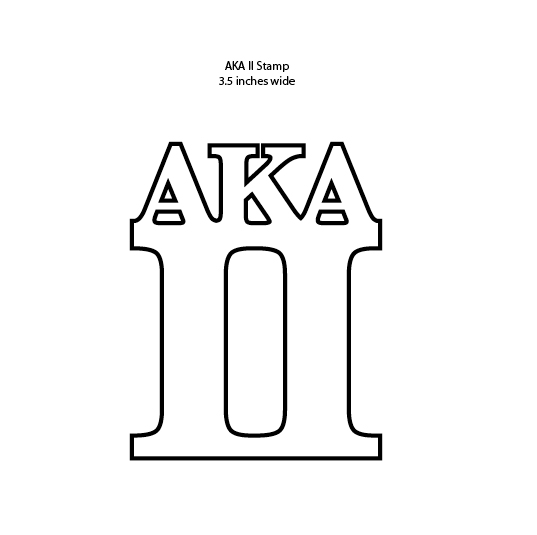
Here was pretty much Aka’s brief we got for his new logo – “for my new Aka II logo I had an idea with the number “II” and the AKA letters for the logo and I told Theo (Spongercity editor/designer) to run with it and come up with what ever he thinks looks best”.
So the only real obligation we had was to include Aka name’s and the number “II” because it was Aka’s second board with Toys.
2. Research:
We started working on heaps of different ideas and weren’t happy with any of the logos until we eventually came up with a logo that had a big AKA lettering using a clean sort of roman font and the roman numbers “II” right under it. The II and AKA are sealed together and we only left the contour on the logo. It looks like a movie or video game logo somehow and we sent it to Aka and Will for feedback.
3. Feedback and potential changes (sometimes endless changes and modifications!)
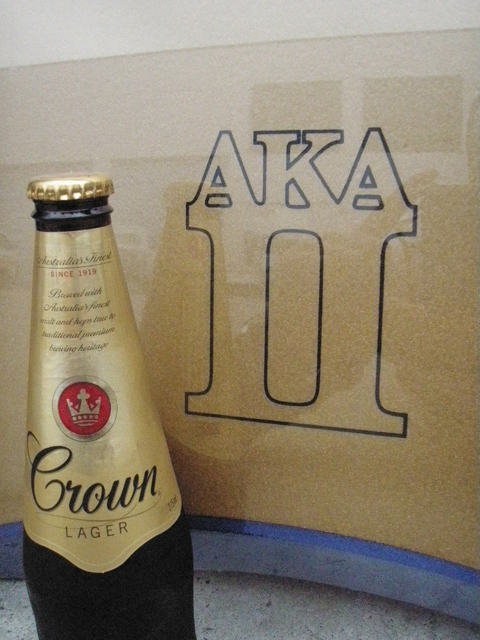
Aka actually wanted to keep it. We got lucky and were stoked. This doesnt happen too often. Usually you need to go back and forth a dozen time and sometimes start from scratch again and again, trying to find a logo that matches the rider’s style and what he likes. Aka – “The first logo he sent me is the one that is one my board now. He nailed it on the first go at it! It’s simple, visible and that’s what I wanted. I’m not into logos where there is a bunch of stuff going on. The Aka II logo is perfect for me cause it reminds me of a jersey with my name and number on it. Being a big sports fan I really dig that.” Here’s the logo:
- Original logo as we designed it
- Logo on the finished boards for the 2010 range
- Close up on the logo (Will George’s beer on the pic)
4. The details and technical info:
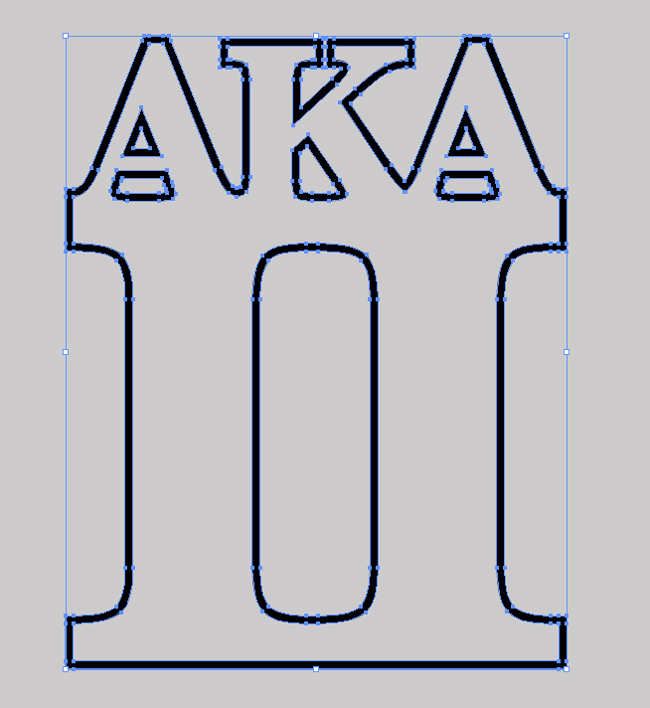
On the technical side of things a logo must be really clean and completely vectorized to be used either by a screenprinting machine (in factories like Mez in indo who builds the Toys boards) or to be transformed as an iron stamp (for factories like Toobs or CustomX / Cartel in the US or any custom board shaper in Oz for example like QCD, Turbo, Fish at Manta/4Play or G.Edwards at Unknown).
Here the vectorized version of the logo.
The process is different but both need vectorized logos, with clean edges and you alwyas have to pay attention to the size of the logo and the thickness of all contours to make sure it will come out clean on boards. Screenprinting logos is pretty much like screenprinting tshirts, it’s basically paint applied on the boards.
Stamping is slightly different: the logo has an iron stamp mold, you need to heat the mold, once it’s hot enough you apply a sheet of special foil paper with paint on it in between the mold and the board and you apply a gentle pressure for a few seconds to let the paint that is on the paper print the board. Both process are really different but at the end the logo will pretty much look the same on the board. The stamping process usually leaves a mark on the foam. The hot mold leaves a mark on the foam under the paint.
Let us know if you have questions or want to learn more about logos and logo designs for boards or leave comments on this post and we’ll try to answer questions.
July 9, 2009 at 11:17 pm | Spongercity Interviews News
While reading the latest Movement or Riptide Mags this month you might have noticed NMD and VS ads featuring a new logo and a new core technology which Nick Mesritz developed recently. The new core is called 3D Core Technology (Triple Density Core) and is a layered core composed of PE, PP and a thin layer between both cores. The new core technology is quite innovative and is definitely something you’ll be hearing about or surfing on very soon.
We were curious and teased with these new ads and new core announcement so we decided to talk to Nick Mesritz himself and learn more about the new board core than what was written on the ads.
We contacted Nick early this morning and here we are tonight, editing this really quickly at 11pm ! Yeah, web is magic and Nick does reply to his email faster then most !
READ THE INTERVIEW HERE
July 9, 2009 at 5:50 pm | Spongercity Interviews News
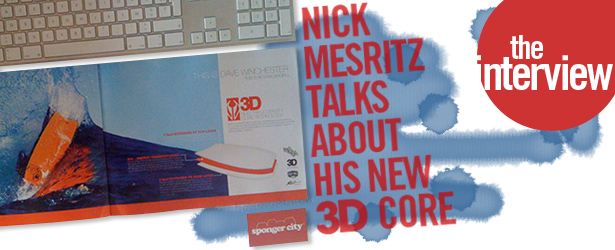
While reading the latest Movement or Riptide Mags this month you might have noticed NMD and VS ads featuring a new logo and a new core technology which Nick Mesritz developed recently. The new core is called 3D Core Technology (Triple Density Core) and is a layered core composed of PE, PP and a thin layer between both cores.
The new core technology is quite innovative and is definitely something you’ll be hearing about or surfing on very soon. We were curious and teased with these new ads and new core announcement so we decided to talk to Nick Mesritz himself and learn more about the new board core than what was written on the ads.
We contacted Nick early this morning and here we are tonight, editing this really quickly at 11pm ! Yeah, web is magic and Nick does reply to his email faster then most !
Here’s the quick interview:
First of all the core looks like the perfect solution between a stiff and a flexy board. Sounds amazing. How did you come up with the idea ?
My team riders had been complaining for years that PP is too stiff and PE is too soft, so the aim was to find or develop a core that was somewhere in the middle. I couldn’t find a single extrusion core material suitable. I tried beaded PP, but due to it being completely closed cell, the boards were too buoyant and sat too high in the water. It became obvious that to find the perfect compromise between stiffness and flex, I had to somehow combine the PP and PE cores we had available to us. It didn’t make sense to vertically bond the PE to the PP, as there would be an unnatural nose to tail flex, depending on where you placed the PE. Horizontally layered sandwich construction made much more sense to me. It had been used in snowboards for years and by layering the various foams, it was possible to achieve specific flex properties with natural, undistorted nose to tail flex.
How did you figure out how to make it work ? Coz i know PP and PE dont bond together too well without an intermediate layer. Must have been hard to make it all work ?
The next step was how to manufacture the core. I won’t go into too much construction detail, but in order to heat fuse the PP top layer to the PE base layer we are using a specially formulated substrate that allows us to achieve the PE to PP bond. This layer also adds to the flex properties of the board so we have selected a density and thickness that best serves our requirements.
I bet you made multiple tests with the riders ? and tests in the factory ?
As for testing, once I knew I could fabricate the board in production, I made up several samples for Ben which he has tested over the past 2 years. I’ve also made boards for other pro riders and some knowledgeable industry types to get their feedback. This feedback and input is what has helped me to dial in the right core layer thickness, which, in-turn, dictates the overall flex pattern of the board. That’s the beauty of this design, in that we can vary the flex of the boards by changing the layer thickness.
Is there a stringer in 3D core boards ?
Yes, we use a stringer in the 3D core boards. With today’s advanced levels of riding, there’s is not a core out there that can withstand the impact without some sort of stringer based reinforcement.
What’s the stiffness like ? between PE stringer and PP stringer boards ?
In its current construction, the flex of a 3D core board is pretty much in the middle between PE Stringer and PP Stringer boards.
The core is available in NMD’s and VS’s from what i’ve seen but will it be available in other board brands you build in your factory ?
All brands produced in our Indo factory will have access to the 3D type, multi-layered core technology.
Regarding the 3D core why did you choose PP on top and PE on the bottom ?
I chose PP on the top and PE on the bottom simply because this combination gave the best flex response and overall performance in testing.
Are you working on other cores in the future ?
I am working on a new PE blend core with my supplier. I hope to have test samples later in the year. But I’m mostly focused on the 3D multi-layered core technology and different variations dialled in for specific conditions.
3D Core ad Preview
Another 3D Core Ad Preview here
Thanx Mez for the quick chat !
Cheers,
Theo
April 9, 2009 at 6:05 pm | Spongercity Interviews, Photography, Podcasts News
Glenn Taylor Interview – “In the shaping bay” with Glenn Taylor
We spent a couple days in Port Macquarie, Australia while tripping on the east coast (of OZ) a few months ago and got the opportunity to stay two days with Glenn Taylor, headshaper at TURBO SURF DESIGNS. Glenn took us to the TURBO factory for those 2 days and we had the great opportunity to stay at the factory all day and film Glenn when he shaped us a board and shoot pictures of everything we wanted to shoot. Even got to help Glenn a little with laminating and stuff. Pretty cool days at the factory.
The result is this 12 minutes documentary on how to shape a board as well as a massive amount of pictures taken while Glenn was shaping our board and a bunch of other boards. We filmed the whole process (it takes about 3+ hours to shape a custom board, depending on the options you’ve chosen) but only kept 12 minutes of footage, edited into 30 steps to have the board build. It would have been too long to watch 3 hours on video hey!
If you don’t know how a board is shaped you definitely wanna watch this ! If you wish to download the documentary feel free to subscribe to our podcast (it’s free on iTunes), we have uploaded the 12 minutes clip on it last night ! If you’re already a subscriber, then just refresh the iTunes podcast page on your computer.
The last thing we did once we had gathered all the footage and pictures was to interview Glenn. Glenn shapes the TURBO custom boards in Port Macquarie, Aus. pretty much everyday of the week and all the boards are shaped by hand as you will see on the video. We asked him how he started and what it’s like to be headshaper for Turbo, how he started Turbo with his bro and what his next projects are.
EXCLUSIVE VIDEO CLIP – Watch the video “In the shaping bay with Glenn Taylor”
EXCLUSIVE PHOTOS – Launch the photo slideshow from “A day at the Turbo factory with Glenn Taylor”
Read the interview here.
« Recent news ·
Older news »























![Screen resolution: 1920×1200 pixels [Wide]](http://spongercity.com/wallpapers/wallpaper-sc-collab-gurney-liam-1920x1200.jpg)
![Screen resolution: 1680×1050 pixels [Wide]](http://spongercity.com/wallpapers/wallpaper-sc-collab-gurney-liam-1680x1050.jpg)
![Screen resolution: 1600×1200 pixels [4:3]](http://spongercity.com/wallpapers/wallpaper-sc-collab-gurney-liam-1600x1200.jpg)
![Screen resolution: 1440×900 pixels [Wide]](http://spongercity.com/wallpapers/wallpaper-sc-collab-gurney-liam-1440x900.jpg)
![Screen resolution: 1400×1050 pixels [4:3]](http://spongercity.com/wallpapers/wallpaper-sc-collab-gurney-liam-1400x1050.jpg)
![Screen resolution: 1280×960 pixels [4:3]](http://spongercity.com/wallpapers/wallpaper-sc-collab-gurney-liam-1280x960.jpg)
![Screen resolution: 1280×800 pixels [Wide]](http://spongercity.com/wallpapers/wallpaper-sc-collab-gurney-liam-1280x800.jpg)
![Screen resolution: 1024×768 pixels [4:3]](http://spongercity.com/wallpapers/wallpaper-sc-collab-gurney-liam-1024x768.jpg)
![Screen resolution: 320×480 pixels [iPhone]](http://spongercity.com/wallpapers/wallpaper-sc-collab-gurney-liam-iphone.jpg)